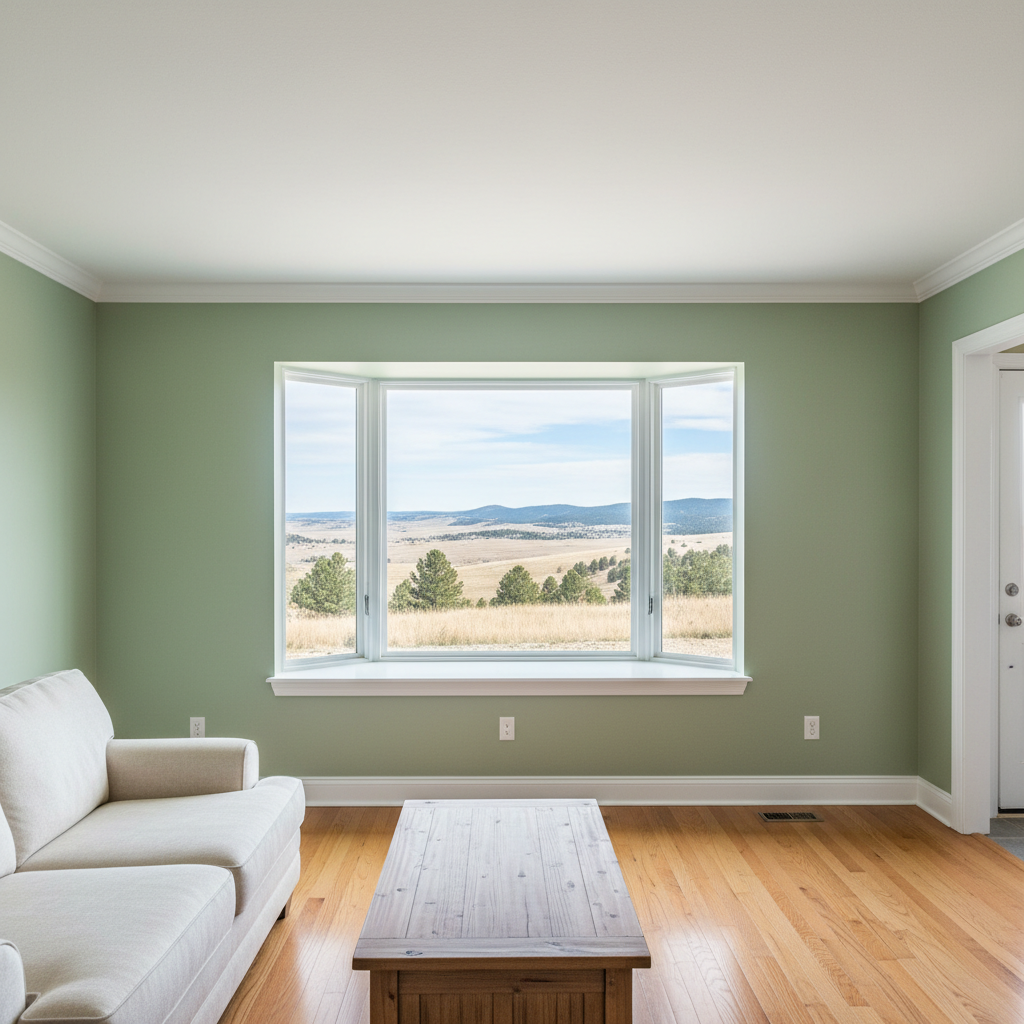
You're ready to spruce up your home, maybe tackle that living room or finally get rid of the dated yellow in the kitchen. Interior painting seems straightforward, right? Pick a color, grab a brush, and go. Well, I've seen enough Rapid City homeowners regret their choices to tell you it's not always that simple. There are some common mistakes that pop up again and again, and knowing them can save you a ton of frustration and cash.
Mistake #1: Skipping the Prep Work
This is probably the biggest one, and it's where most DIYers and even some less-than-stellar pros cut corners. You can have the best paint in the world, but if the surface isn't ready, it's not going to look good or last. I'm talking about cleaning, patching, sanding, and priming. Is your wall greasy from years of cooking? You've got to wash it. Got nail holes or cracks from the house settling, which is pretty common with our freeze-thaw cycles here in the Black Hills? Patch 'em up. Sand down any rough spots or old paint drips. And priming? Crucial, especially if you're going from a dark color to a light one, or if you're painting over new drywall patches. Primer creates a uniform surface for the paint to adhere to, making your topcoats look smoother and more consistent. Skipping this step means your paint won't stick right, it'll look blotchy, and you'll be repainting sooner than you think.
Mistake #2: Underestimating the Paint Quality
I get it, paint can be expensive. It's tempting to grab the cheapest gallon on the shelf. But honestly, this is a classic case of 'you get what you pay for.' Cheaper paints often have less pigment and binders, meaning you'll need more coats to get good coverage. That 'bargain' gallon suddenly costs you more in time and effort, and you might even end up buying more paint than if you'd just started with a quality product. Good paint covers better, lasts longer, and cleans up easier. It's an investment in your home's appearance and durability. We always recommend using high-quality paints at Rapid City Painting Company because we know it makes a difference in the final result and how long it holds up.
Mistake #3: Not Getting Multiple Quotes or Checking References
When you're hiring someone, don't just go with the first person who gives you a price. Get at least three quotes. This isn't just about finding the cheapest option; it's about understanding the scope of work and what's included. A really low bid might mean they're cutting corners on prep, using cheap paint, or aren't properly insured. Ask for a detailed breakdown of what they'll do, including prep, number of coats, and cleanup. And always, *always* ask for references. A reputable painter will be happy to provide them. Call those references! Ask about their experience, if the job stayed on budget, and if they were happy with the finish. It's your home, you've got every right to be picky.
Mistake #4: Ignoring the Lighting
Paint colors look completely different depending on the light. The sample swatch you loved at the store might look totally different in your living room. Is your room north-facing, getting cool, indirect light? Or south-facing, bathed in warm, bright light? Do you have big windows letting in natural light, or are you relying mostly on artificial lamps? These things matter. Before you commit to a whole room, buy a small sample can and paint a decent-sized swatch on a few different walls. Look at it throughout the day and in the evening with your regular lighting. You'd be surprised how much a color can shift. What looks like a calming gray in one light might look like a sad blue in another.
Mistake #5: Forgetting About Ventilation
This one's less about the aesthetics and more about your health and comfort. Paint fumes aren't good for you. When you're painting indoors, especially in our colder months when you can't just throw open all the windows, you need to think about ventilation. Open windows if you can, use fans to circulate air, and take breaks outside. If you're using oil-based paints, the fumes are even stronger. Make sure you're protecting yourself and your family from those chemicals. It's a small detail, but an important one for a safe and healthy home environment.
Look, interior painting can completely transform a space. Just be smart about it. Don't rush the prep, invest in good materials, do your homework on contractors, consider your lighting, and keep that air moving. You'll be much happier with the results, and your freshly painted walls will look great for years to come.